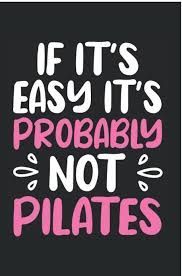
Discover what it truly means to be advanced in Pilates. Learn why control, precision, and mindful movement matter more than intensity or difficult exercises.
What Does It Really Mean to Be “Advanced” in Pilates?
Most people assume that being advanced in Pilates means mastering the hardest exercises - complex movements, impressive flexibility, or high-intensity routines.
But that’s not what actually drives real progress. The truth is, advancement in Pilates looks far less flashy—and far more intentional.
1. Control Over Speed: Slowing Everything Down
One of the clearest signs of progress is no longer rushing through repetitions.
Instead of trying to “get through” a workout, advanced practitioners focus on owning every second of the movement. Each transition is deliberate. Each phase - lifting, holding, lowering - is controlled.
Slowing down doesn’t make things easier. It actually makes them much harder - in the best way.
2. Letting Go of Momentum
Swinging, jerking, or using momentum might help you complete an exercise - but it takes away from its purpose.
As you progress, you naturally begin to eliminate shortcuts. Movements become:
- Cleaner
- More stable
- More intentional
Even when muscles start to shake or burn, the focus stays on control over completion.
3. Using Breath as a Tool, Not an Afterthought
Beginners often hold their breath when things get challenging. Advanced practitioners do the opposite.
They use breath to:
- Support movement
- Maintain rhythm
- Reduce tension
Breathing becomes part of the exercise - not separate from it. It guides the body rather than reacting to it.
4. Making Simple Exercises Feel Intense
Here’s the paradox: the more advanced you become, the less you rely on complicated movements.
A basic exercise - done slowly, with precision - can feel incredibly challenging. Why? Because:
- Muscles stay under tension longer
- Alignment is more exact
- Nothing is rushed or skipped
From the outside, it may not look impressive. But internally, it’s a completely different experience.
5. Developing Body Awareness
At a certain point, you stop needing constant instruction. You begin to:
- Adjust your alignment instinctively
- Recognize when something feels off
- Modify movements based on your body’s needs
This awareness is one of the most valuable signs of true progress.
6. Shifting Focus from Intensity to Precision
Many people chase intensity—more reps, more burn, more difficulty. But Pilates was never designed around doing more.
It’s about doing things well. Precision becomes the priority:
- How you move matters more than how much you do
- Quality outweighs quantity
- Small corrections create big results
Why Advanced Pilates Doesn’t Always Look Impressive
From the outside, advanced Pilates can appear simple - even easy. But internally, it feels:
- More connected
- More controlled
- More demanding
That’s because the challenge has shifted from external difficulty to internal mastery.
The Real Takeaway
Progress in Pilates isn’t about adding complexity - it’s about refining simplicity. The more advanced you become:
- The slower you move
- The more control you build
- The more intentional every action becomes
And ironically, the less “impressive” it might look to others.
If You’re Not There Yet… Start Here
Slow down. That’s where everything begins. Focus on:
- Control over speed
- Breath over tension
- Precision over intensity
Because real progress isn’t something you show—it’s something you feel.