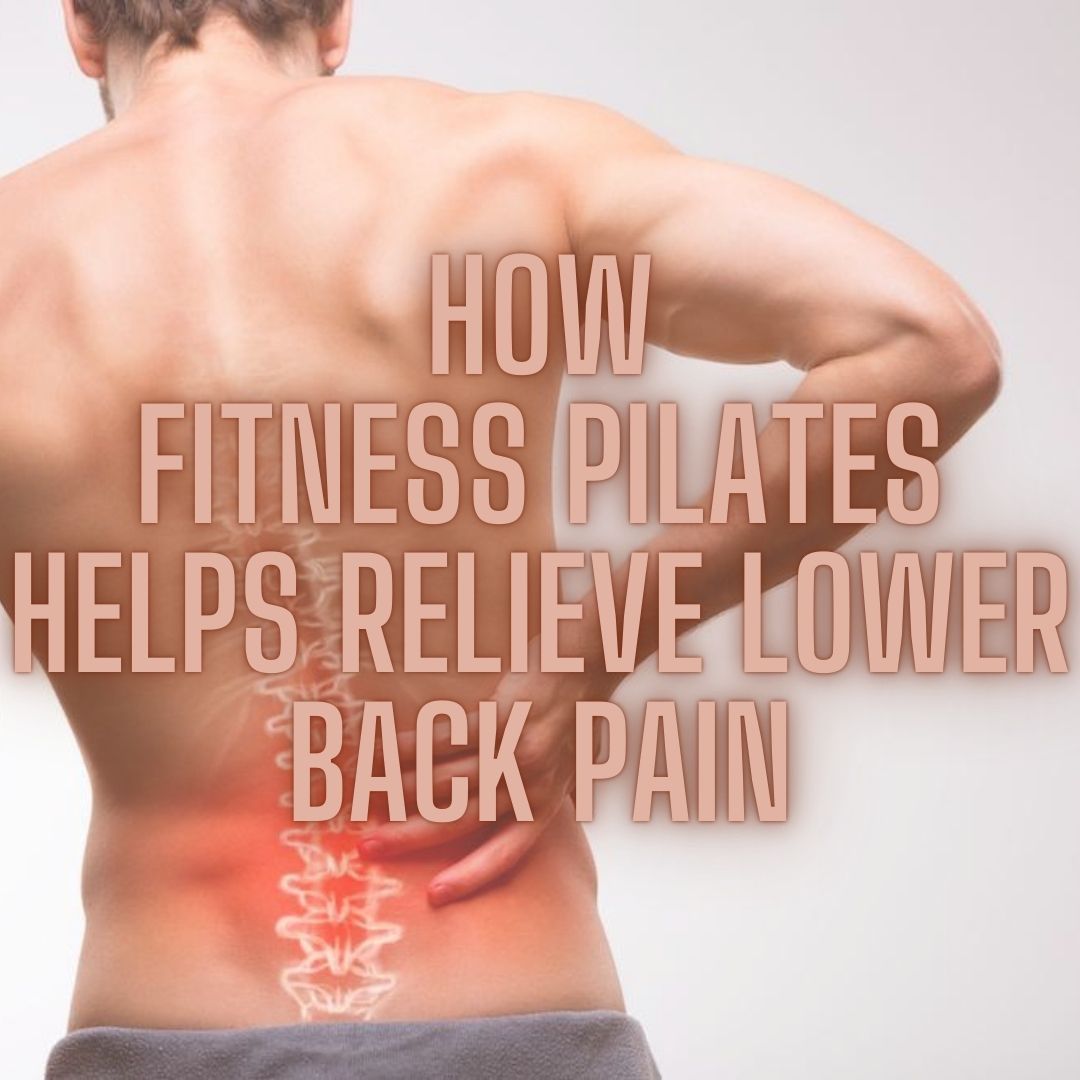
Lower back pain, sciatica, and piriformis syndrome affect millions of people worldwide. These conditions can limit mobility, disrupt daily life, and reduce overall wellbeing. Fortunately, gentle exercise methods such as Fitness Pilates offer a safe and effective way to reduce pain, improve flexibility, and strengthen the muscles that support the spine.
In this article, we explore how Fitness Pilates can help relieve sciatic and lower back pain, and which exercises are most beneficial for long-term recovery.
Understanding Sciatic, Piriformis, and Lower Back Pain
Before starting any exercise program, it is important to understand what causes these common conditions.
Sciatica
Sciatica occurs when the sciatic nerve becomes irritated or compressed, often due to disc problems, muscle tightness, or poor posture. Symptoms may include:
- Pain radiating down the leg
- Tingling or numbness
- Weakness in the lower limb
- Lower back discomfort
Piriformis Syndrome
The piriformis is a deep hip muscle that can press on the sciatic nerve when tight or inflamed. This may lead to:
- Pain in the buttocks
- Hip stiffness
- Shooting pain down the leg
Lower Back Pain
Lower back pain is often caused by weak core muscles, prolonged sitting, poor posture, and lack of movement. Tight hips and hamstrings can also increase strain on the spine.
Why Fitness Pilates Is Ideal for Back Pain Relief
1. Low-Impact and Joint-Friendly
Fitness Pilates uses controlled, low-impact movements that are gentle on the joints and spine. This makes it suitable for people with chronic pain, stiffness, or recovering from injury.
2. Strengthens Core and Pelvic Muscles
A strong core provides essential support for the lower back. Pilates focuses on strengthening:
- Abdominal muscles
- Pelvic floor
- Lower back stabilisers
- Deep postural muscles
Improved core strength helps reduce pressure on the spine and improves movement efficiency.
3. Improves Flexibility and Muscle Balance
Muscle tightness, particularly in the hips and glutes, can worsen sciatic and piriformis pain. Regular Pilates practice improves flexibility and restores balance between muscle groups.
4. Encourages Better Posture
Poor posture is a major contributor to back pain. Fitness Pilates promotes:
- Neutral spine alignment
- Body awareness
- Proper movement patterns
This helps reduce unnecessary strain during daily activities.
5. Supports Circulation and Recovery
Gentle movement improves blood flow to muscles and soft tissues, helping reduce inflammation and promote healing.
Best Pilates Exercises for Sciatic, Piriformis, and Lower Back Pain
Here are some effective exercises commonly included in Fitness Pilates programs.
1. Pelvic Tilts
Pelvic tilts improve spinal mobility and strengthen the lower abdominal muscles.
How to do it:
- Lie on your back with knees bent
- Gently tilt the pelvis to flatten the lower back
- Hold for 5 seconds
- Release and repeat 10–12 times
2. Glute Bridges
Bridges activate the glute muscles and stabilise the pelvis.
Benefits:
- Supports the lower back
- Improves hip alignment
- Reduces muscle imbalance
3. Seated or Supine Spinal Twists
Twists help release tension in the spine and hips when performed gently.
Tip: Keep movements slow and controlled, avoiding forceful rotation.
4. Piriformis Stretch (Figure-Four Stretch)
This stretch directly targets the piriformis muscle and can ease sciatic nerve pressure.
How to do it:
- Lie on your back
- Cross one ankle over the opposite knee
- Gently draw legs towards chest
- Hold for 20–30 seconds each side
5. Cat-Cow Stretch
This movement increases spinal flexibility and reduces stiffness.
It is ideal as part of a warm-up or cool-down routine.
6. Clamshells
Clamshells strengthen the hip stabilisers and support pelvic alignment.
Benefits:
- Improves hip strength
- Reduces strain on the lower back
- Helps prevent recurrence of pain
7. Hamstring Stretch
Tight hamstrings can pull on the pelvis and increase lower back tension. Gentle stretching helps maintain healthy alignment.
Sample 20-Minute Pilates Routine for Back Pain
You can follow this simple routine 3–4 times per week:
- Warm-up: Cat-Cow and pelvic tilts (5 minutes)
- Strengthening: Bridges and clamshells (7 minutes)
- Mobility: Spinal twists and gentle stretches (5 minutes)
- Relaxation: Deep breathing and relaxation (3 minutes)
Tips for Exercising Safely with Back Pain
- Always warm up properly
- Focus on controlled movement and breathing
- Avoid pushing through sharp pain
- Progress gradually
- Seek professional advice if pain persists
Long-Term Benefits of Fitness Pilates for Back Health
With consistent practice, Fitness Pilates may help you achieve:
- Reduced sciatic and piriformis pain
- Improved posture
- Stronger core muscles
- Greater flexibility
- Better balance and coordination
- Increased confidence in movement
These benefits contribute to long-term spinal health and reduced risk of future injury.
Final Thoughts
Fitness Pilates offers a safe, structured, and effective way to manage sciatic, piriformis, and lower back pain. By focusing on posture, core strength, and gentle flexibility, it helps restore healthy movement patterns and reduce discomfort.
Whether you are new to exercise or returning after injury, incorporating Pilates into your routine can support your recovery and improve your overall quality of life.